
DREAM-ND (India Phase III)
- 588 adults with anaemia due to CKD
- Stage 3–5 CKD not requiring dialysis
- Baseline haemoglobin 7.0–10.0 g/dL
- Randomised 1:1: Desidustat vs Darbepoetin alfa
Open-label, active-controlled, non-inferiority trial

Indicated for the treatment of anaemia in adult patients with chronic kidney disease (CKD) not requiring dialysis.
OXEMIA® (desidustat) is an oral HIF-PH inhibitor taken three times a week.
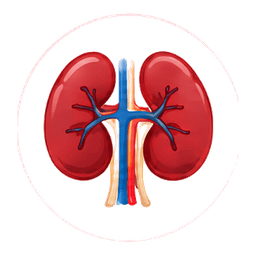

Anaemia prevalence and severity increase as kidney function declines.

Reduced EPO production, inflammation and higher hepcidin limit iron availability even when iron stores are normal.

Injectable ESAs require clinic visits, skilled administration and cold-chain storage.

Guidelines note oral administration was thought more acceptable overall, though adherence and evidence certainty remain considerations.
Open-label, active-controlled, non-inferiority trial
Double-blind, placebo-controlled trial
Trial criteria are not the same as a prescribing decision. Your doctor will decide what is right for you.
Results are from clinical studies. Individual results may vary.
In DREAM-ND, there was no statistically significant between-group difference in VEGF change at Weeks 12 and 24.
View VEGF dataFindings on LDL were secondary/exploratory in DREAM-ND. Do not assume broad benefit on cardiovascular outcomes.
View detailsBiomarker effects should not be automatically translated into improved patient outcomes.
Desidustat improved Hb with non-inferiority to darbepoetin over 24 weeks.
Explore NDD evidenceDesidustat was non-inferior to alfa over 16–24 weeks in dialysis patients.
Explore DD evidenceObservational studies suggest effectiveness and tolerability in routine practice.
Explore real-world dataIn clinical studies, desidustat was generally well tolerated. The safety profile was comparable to active comparator (DREAM-ND) and placebo (China Phase III) in the reported study periods.
View complete safety informationSee the study designs, results and important limitations.
Explore clinical evidencePrepare for an informed conversation with your nephrologist.
Download questions to askView approved indication and PI
See full prescribing information for OXEMIA® (desidustat).