Persistent fatigue


An oral HIF-PH inhibitor designed to help improve haemoglobin levels in CKD patients through stimulation of endogenous erythropoietin production.
For use in appropriate patients under medical supervision.Oxemia (Desidustat) is India's 1st oral HIF-PHI approved for the treatment of anemia in adult patients with chronic kidney disease (CKD) on dialysis.
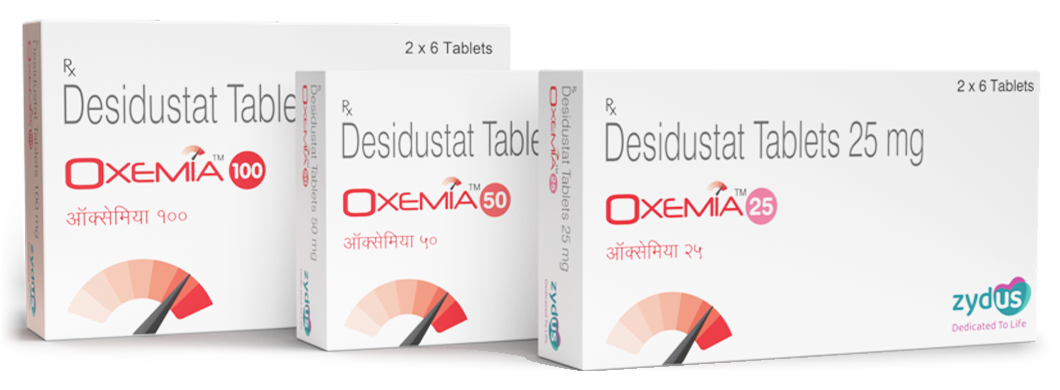
India's 1st oral
alternative to ESA
Proven efficacy in
raising & maintaining Hb
Oral convenience
once-daily dosing
Favorable safety
and tolerability profile
of patients achieved Hb increase >= 1 g/dL
g/dL from baseline
maintained Hb 10-12 g/dL at 24 weeks
Data from Phase III trials in CKD patients on dialysis.
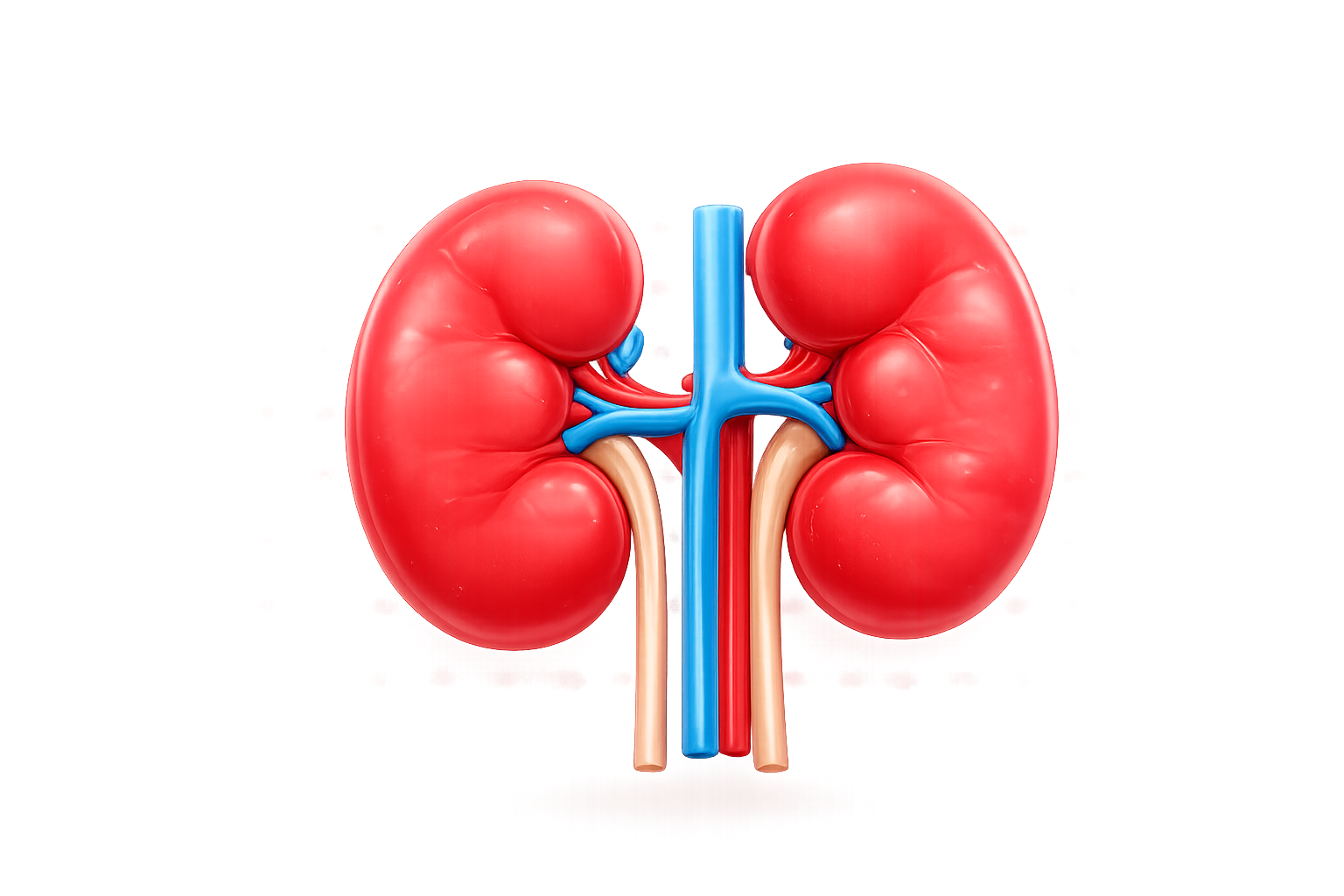
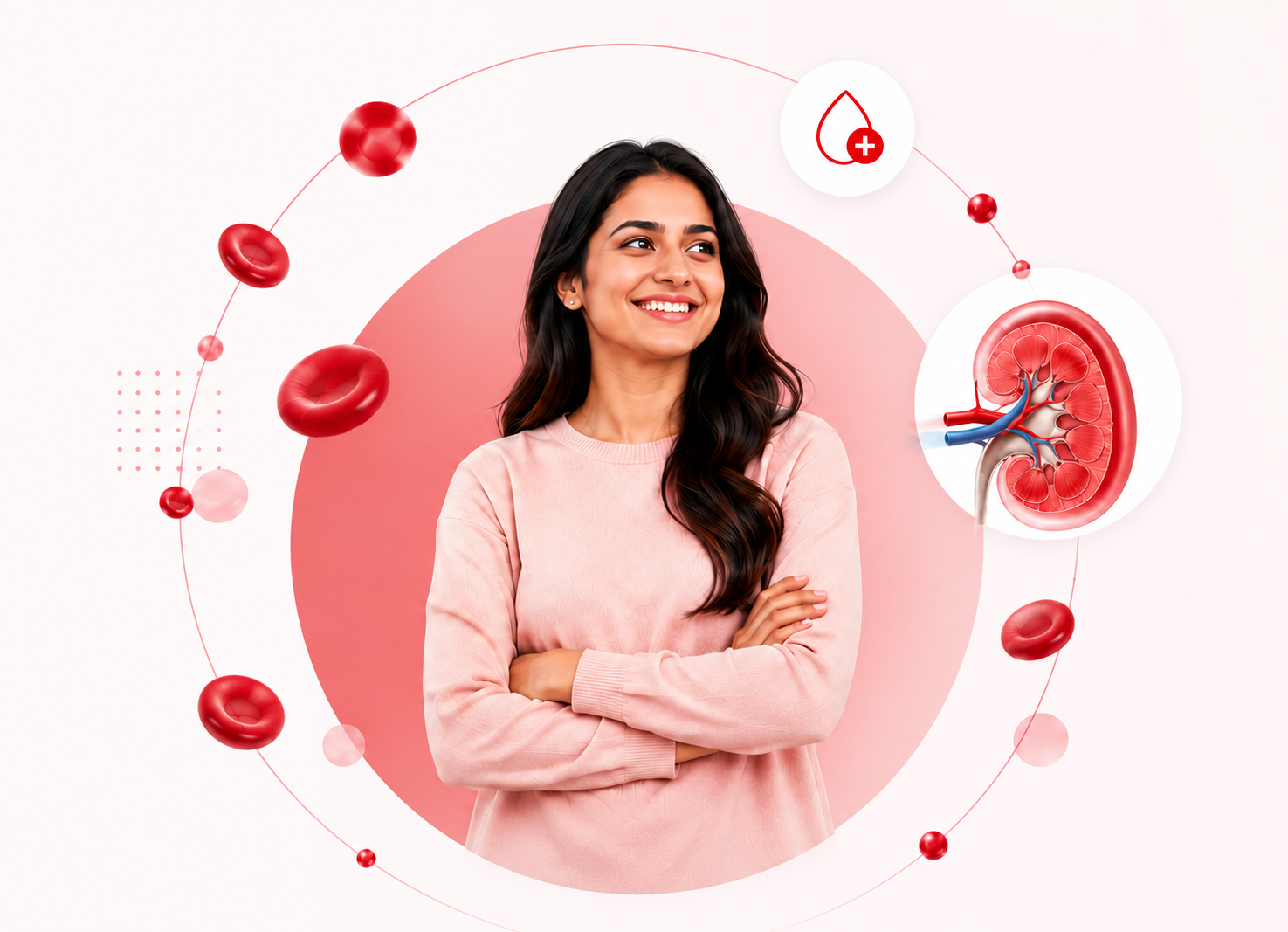
When kidneys are not working as well as they should, the body may produce fewer red blood cells. Understanding the signs is the first step toward a better conversation.
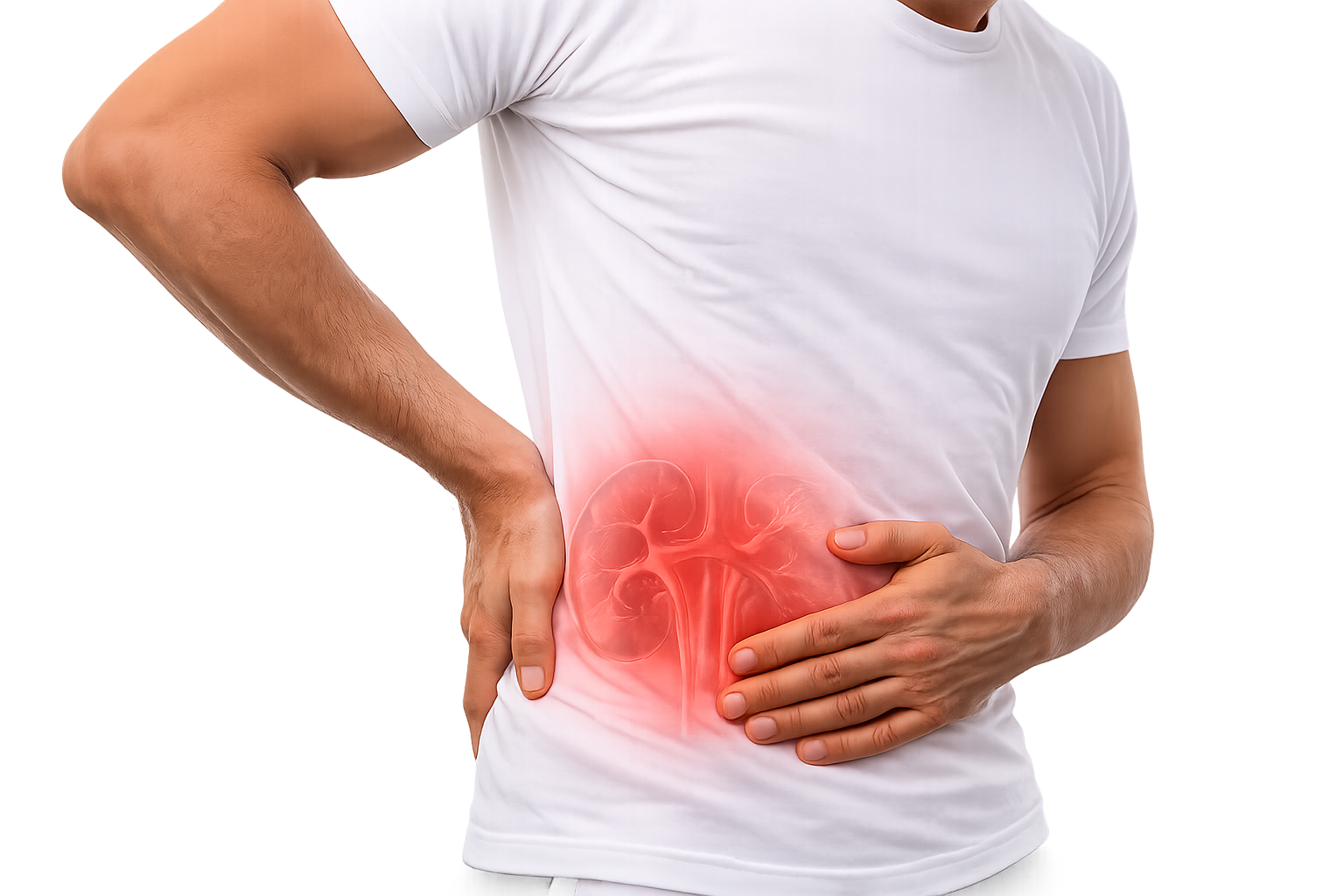
CKD may reduce the body’s natural erythropoietin production.
Fatigue and breathlessness can disrupt everyday routines.
Regular monitoring can help guide the right management approach.
Persistent fatigue

Shortness of breath

Difficulty concentrating

Low energy

Oxemia dosing is titrated based on Hb response and CKD stage to help achieve and maintain target Hb with minimal dose adjustments.

Titrate dose gradually to achieve target Hb and avoid rapid increases.
Individualize based on response and tolerability.
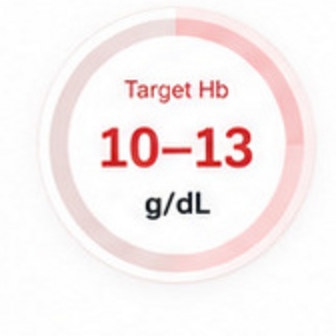
Choose starting dose based on CKD stage and Hb level.
Reassess Hb every 2–4 weeks.
Increase or decrease dose by 25 mg increments.
Maintain target Hb 10–13 g/dL.
Note: Do not increase the dose more frequently than once every 2 weeks.
Dose tailored to CKD stage and patient response.
Helps achieve target Hb with minimal adjustments.
Titration guided by Hb levels and clinical response.
Improves safety, tolerability and quality of life.
OXEMIA® (Desidustat) is a prescription-only medicine. The summary below explains how to take it and what to be aware of - it does not replace the advice of your doctor or pharmacist.
Always read the full prescribing information and follow your healthcare professional's instructions.
Use OXEMIA® in the dose and for the duration advised by your doctor - typically once daily.
Swallow the tablet whole with water. Do not chew, crush or break it.
Take it on an empty stomach, unless your doctor advises otherwise.
Take it as soon as you remember. Skip it if your next dose is near - never take a double dose to make up.
Most side effects are mild and tend to settle as your body adjusts to treatment. Tell your doctor if any persist, worsen, or concern you.
It is not known whether alcohol is safe to consume with OXEMIA®. Please consult your doctor.
Safety during pregnancy has not been established. Consult your doctor before use.
Information on use while breastfeeding is not available. Please consult your doctor.
OXEMIA® does not usually affect your ability to drive.
Limited data are available in patients with kidney disease. Use under medical supervision.
Limited data are available in patients with liver disease. Use under medical supervision.
Keep in the original pack, away from heat and moisture, and out of the reach of children.
OXEMIA® is a prescription-only medicine. Use it only on the advice of a registered doctor.
OXEMIA® has no known habit-forming potential.
Your doctor may order blood tests to check haemoglobin, blood counts and electrolytes such as potassium.
Composition, indication, dosing, administration, warnings and storage in one document.
Robust clinical data from Phase III trials demonstrate the efficacy and safety of Desidustat in CKD patients on dialysis.
View All Clinical TrialsPhase III trial data
Proven Hb improvement
Well tolerated safety profile
Published in peer-reviewed journals
2022;32(4):323–330
2022;16(8):OC01–OC05
2021;36(3):405–413
Find practical information about OXEMIA®, Desidustat, and anaemia management in CKD.
This information does not replace advice from your healthcare professional.
OXEMIA® contains Desidustat, an oral HIF-PH inhibitor developed for the management of anaemia associated with chronic kidney disease.
Our medical information team is here to help.
For product information, prescribing resources, or medical enquiries, connect with the appropriate Oxemia team.
Access detailed prescribing information and medical resources.