
Living with CKD,
not on dialysis
Focus is on slowing kidney decline, identifying and treating the cause of anaemia, and using medications and iron when needed.
Learn more about non-dialysis care
Anaemia means your blood has fewer red blood cells or less haemoglobin (Hb) — the protein that carries oxygen.
In CKD, the kidneys may produce less erythropoietin (EPO) and the body may not use iron well, which can lead to fewer healthy red blood cells and less oxygen reaching your tissues.
This information is for education only and not a substitute for medical advice.
Always consult your doctor for diagnosis and treatment.
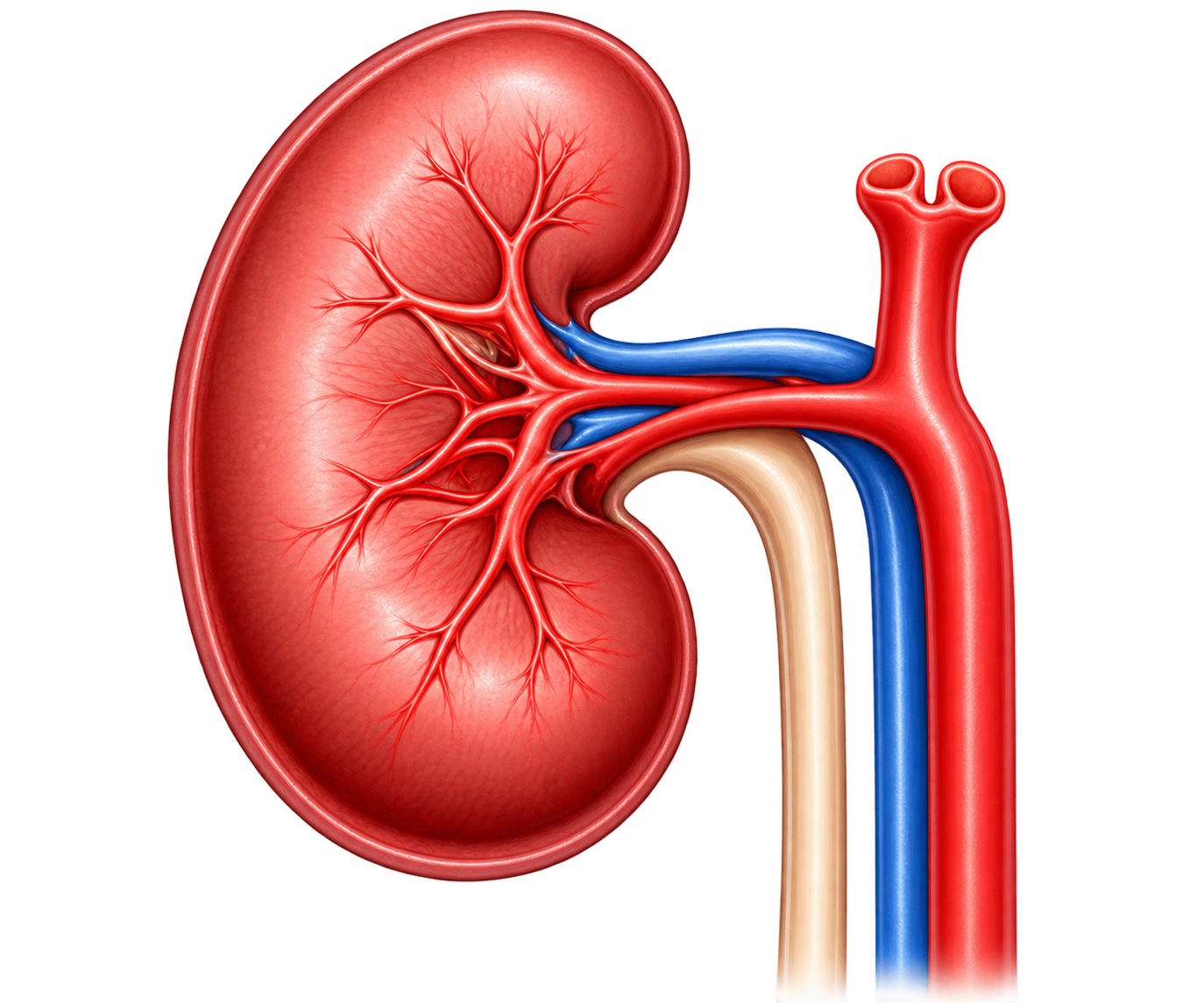
Kidney impaired function
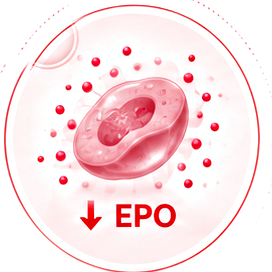
↓ EPO productionfrom kidney
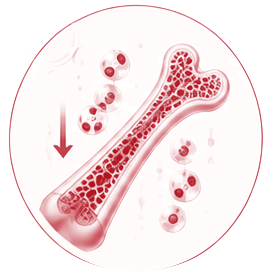
Bone marrow makesfewer red blood cells
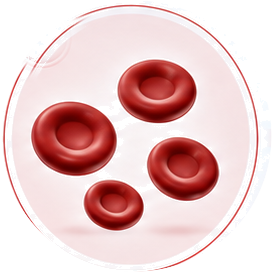
Fewer red bloodcells & haemoglobin
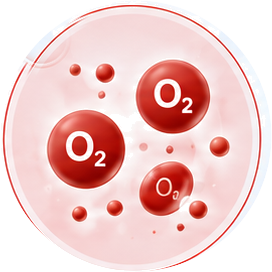
Reduced oxygendelivery to body tissues
CKD Anaemia reference: Badura, K., Janc, J., Wąsik, J., Gnitecki, S., Skwira, S., Młynarska, E., Rysz, J., & Franczyk, B. (2024). Anemia of Chronic Kidney Disease—A Narrative Review of Its Pathophysiology, Diagnosis, and Management. Biomedicines, 12(6), 1191. https://doi.org/10.3390/biomedicines12061191
iNot every anaemia is caused by CKD. Other conditions can cause anaemia too.
Only your doctor can find the exact cause.
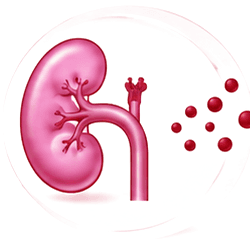
Damaged kidneys may produce less erythropoietin (EPO), a hormone that tells the bone marrow to make red blood cells.

Inflammation can raise hepcidin levels. Hepcidin blocks the release and absorption of iron needed to make red blood cells.
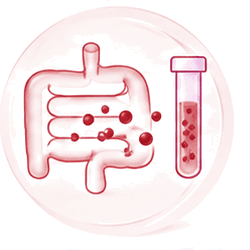
Iron may be present in the body but is not available for red blood cell production. Absorption of iron from food may also be reduced.
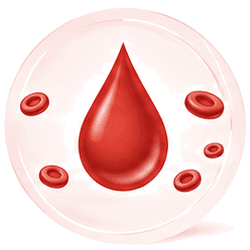
Blood can be lost during dialysis. Red blood cells may also have a shorter lifespan in CKD.
Sources: DREAM-ND Phase III trial, DREAM-D Phase III trial, South Asia HIF-PHI guideline, Systematic review & meta-analysisView source details
CKD Anaemia symptoms reference: Tonelli M, Berns J, Bozkurt B, et al. KDIGO 2026 Clinical Practice Guideline for the Management of Anemia in Chronic Kidney Disease (CKD). Kidney International, 109, S1–S99.
 Fatigue
Feeling unusually tired or lacking energy.
 Reduced exercise tolerance
Getting tired or short of breath with activity.
 Shortness of breath
Breathlessness during daily tasks or even at rest.
 Difficulty concentrating
Trouble focusing or remembering things.
 Reduced ability to do everyday tasks
Harder to perform routine activities.
iThese symptoms can be caused by many conditions. They are not diagnostic. Please consult your doctor.
Anaemia can reduce energy, physical function and overall quality of life.
Anaemia can increase the workload on the heart and is associated with higher cardiovascular risk.
Anaemia is linked with more hospital visits and other health complications.
Severe or presistent anaemia may be associated with faster decline in kidney function.
iThese associations observed in studies. Treating anaemia may help, but outcomes depend on many factors.Source: South Asia HIF-PHI guidelineSee guideline context
Understanding your symptoms, medical history and medications.
Blood tests to measure haemoglobin and other blood counts.
Checking iron stores (ferritin) and availability (transferrin saturation) when needed.
Excluding blood loss, nutritional deficiency, infection, malignancy or other causes.
Regular checks to see how you are responding to treatment.
Anaemia care is different depending on whether you are on dialysis.
Focus is on slowing kidney decline, identifying and treating the cause of anaemia, and using medications and iron when needed.
Learn more about non-dialysis care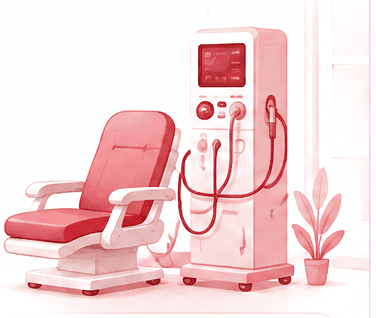
Anaemia management also considers dialysis factors like blood loss during treatment and removal of toxins.
Learn more about dialysis careYour doctor will decide the best approach for you based on your health, test results and preferences.
Treatment choice is individual and clinician-led.
Benefits and risks should be discussed with your doctor.
Source: Systematic review & meta-analysis of HIF-PHIs in CKD anaemiaReview the systematic evidence
Download a helpful checklist of questions to ask your doctor
about CKD anaemia.
Explore how the hypoxia-inducible factor (HIF) pathway
helps in making red blood cells.
Prescribing information for Oxemia® (Desidustat)
Please read the approved indication and important safety information.