Impaired renal EPO production
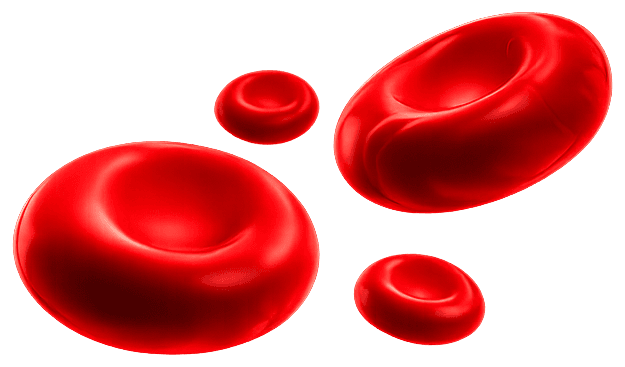
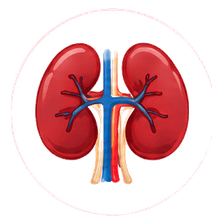
Damaged kidneys produce less EPO, leading to lower stimulation of red blood cell production.

OXEMIA® (desidustat) is an oral HIF-prolyl hydroxylase domain inhibitor that stimulates erythropoiesis by increasing your body’s natural EPO production and improving iron utilisation.
Indicated for:
Anaemia in adult patients with chronic kidney disease (CKD) on dialysis and not on dialysis.
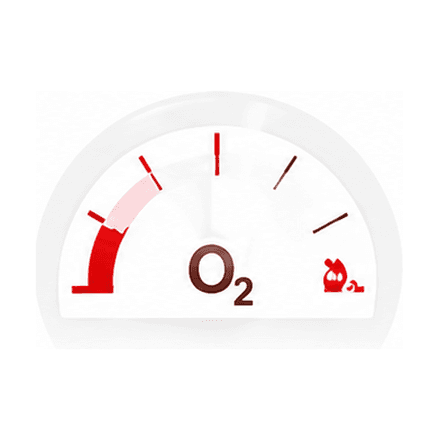
When oxygen levels are low, cells signal that more oxygen is needed.
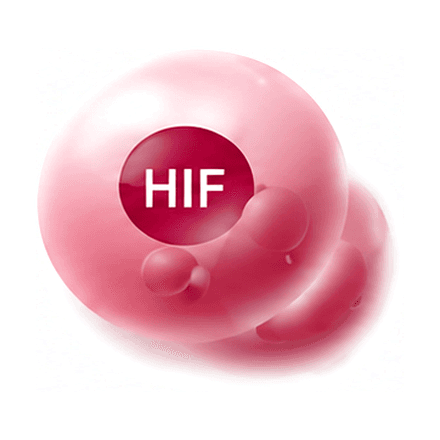
HIF (hypoxia-inducible factor) escapes degradation and becomes active.
Active HIF turns on genes that increase EPO production and support iron availability.
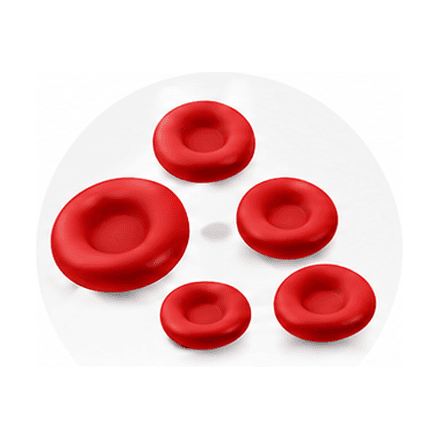
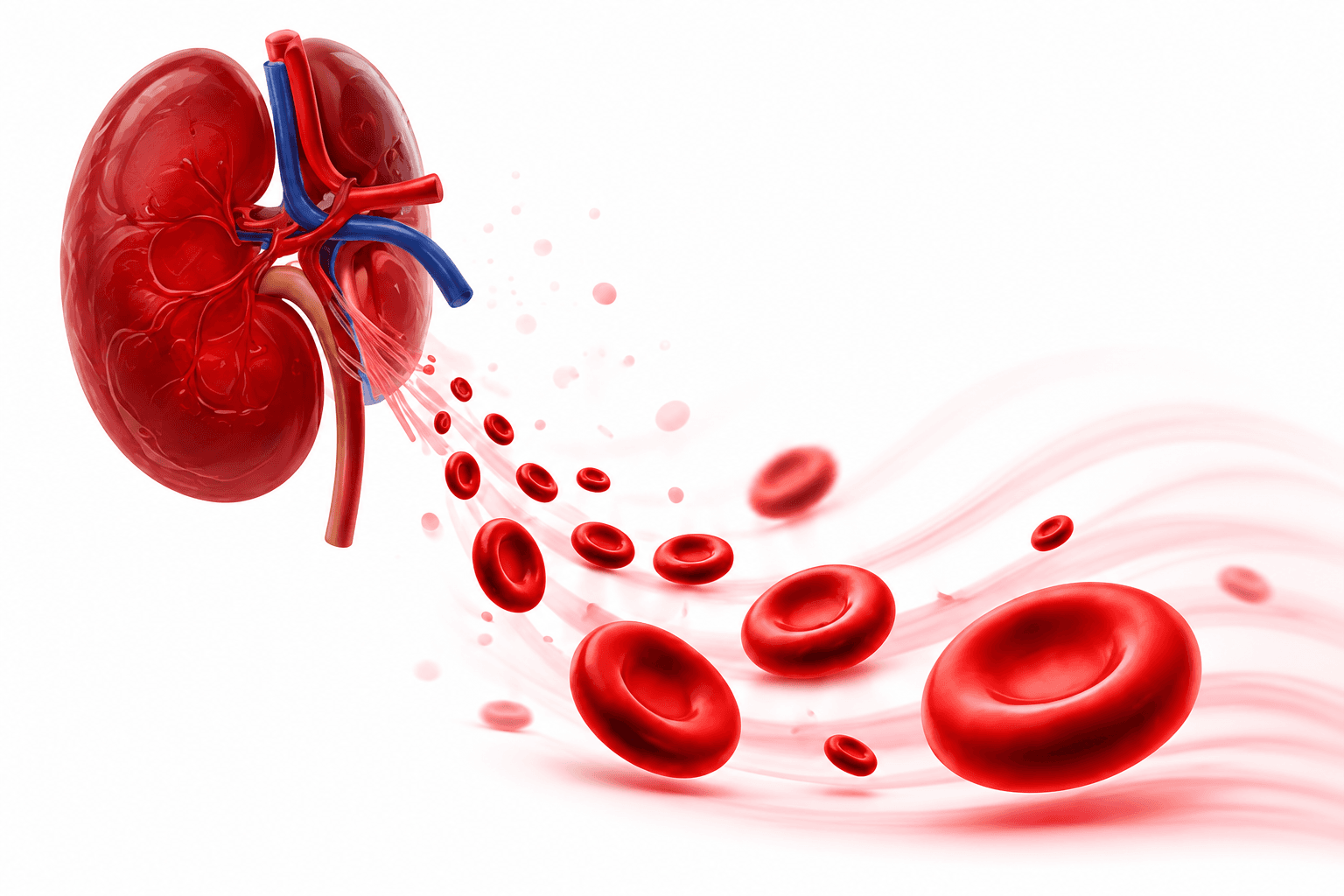
More red blood cells are produced, improving oxygen delivery to tissues.
This is a natural response that helps the body adapt to low oxygen.
Mechanism of Action reference: Wang GL, Jiang BH, Rue EA, Semenza GL. Hypoxia-inducible factor 1 is a basic-helix-loop-helix-PAS heterodimer regulated by cellular O₂ tension. Proc Natl Acad Sci USA 1995; 92: 5510–5514.
Damaged kidneys produce less EPO, leading to lower stimulation of red blood cell production.

Inflammation and reduced kidney clearance can raise hepcidin levels, limiting iron available for red blood cell production.
Iron stores may be normal or high, but less iron is mobilised and absorbed for effective use in erythropoiesis.
Not every anaemia is caused by CKD. Many other conditions can cause low haemoglobin. Diagnosis and treatment decisions should be made by a clinician.
Desidustat inhibits PHD enzymes that normally break down HIF.
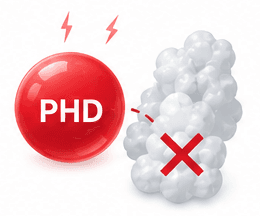
HIF accumulates and becomes active even at normal oxygen levels.

Active HIF increases EPO production by the kidneys.
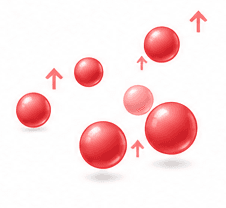
HIF lowers hepcidin and increases genes that help iron absorption and mobilisation.

Result: More iron available. More natural EPO. More red blood cell production.
 Angiogenesis
 Invasion, Metastasis
 Cancer Stemness
 Metabolic Reprogramming
 (VEGF, GLUT1, EPO…)
Significant improvement in haemoglobin vs darbepoetin over 24 weeks.
+1.95 g/dLvs baseline(Least square mean change)Desidustat was non-inferior to epoetin alfa over 16–24 weeks.
+0.95 g/dLvs baseline(Least square mean change)Supporting improved iron availability
Hepcidin levels decreased significantly vs darbepoetin by Week 9.
−37.2%(Mean % change)Hepcidin decreased from baseline; the difference vs epoetin alfa was not statistically significant.
−36.6 ng/mL(Mean change from baseline at Week 24)Hepcidin levels decreased vs placebo by Week 9.
−32.7%(Mean % change)Changes in biomarkers such as hepcidin support the mechanism but should not be assumed to automatically translate into improved long-term clinical outcomes. Important outcome gaps remain.Review the systematic evidence
Phase III evidence (DREAM-ND)
Desidustat demonstrated non-inferiority to darbepoetin for haemoglobin improvement over 24 weeks.
Explore non-dialysis evidence
Phase III evidence (DREAM-D)
Desidustat demonstrated non-inferiority to epoetin alfa for haemoglobin improvement over 16–24 weeks.
Explore dialysis evidenceMechanistic and biomarker effects do not automatically prove benefits on all clinical outcomes.
HIF-PHI molecules should not be assumed to be interchangeable. Evidence must be evaluated molecule by molecule.
The systematic review highlights important evidence gaps for some outcomes in non-dialysis CKD.
See the approved indication, dosage, contraindications, warnings and precautions in the prescribing information.
Prepare for an informed conversation with your doctor.
Download questions to ask